Water is escaping
Read the leak and burst-pipe guides for safe observation, isolation boundaries and the details that help map water across rooms or levels.
Read leak guidance Request plumbing help Request help
 Plumbing advice guides
Step-by-step Edinburgh plumbing guides for contained leaks, burst pipes, low water pressure and planning a clear bathroom plumbing enquiry.
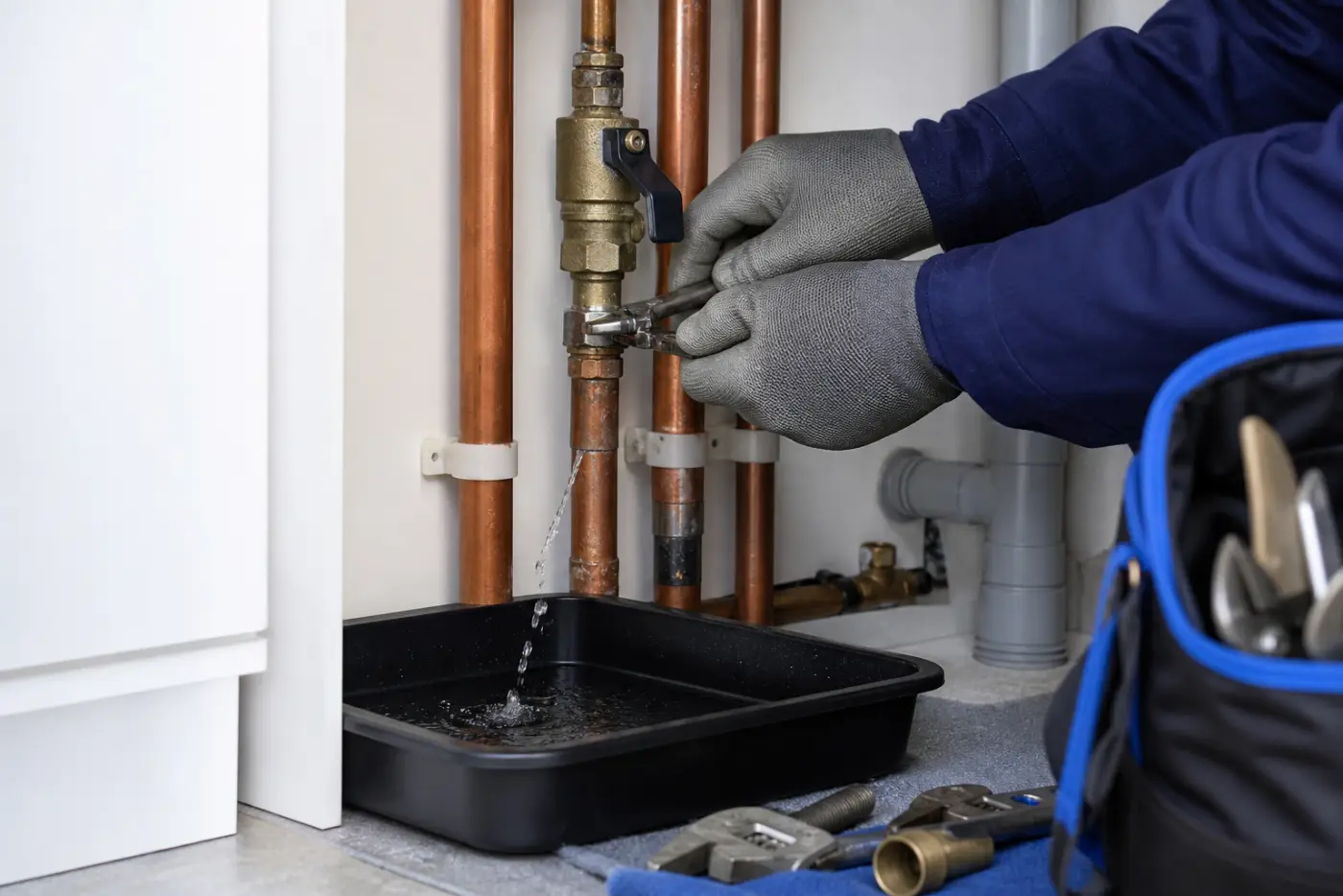
Observe, contain, describe
These guides are designed for the period before a plumbing enquiry: when you can see a symptom but may not know the concealed cause. Start with the affected fixture or room, note when the problem appears and record whether water is active, isolated, contained or uncertain. A clear chronology is usually more useful than naming a component that has not been inspected.
Keep every first step proportionate. Do not force an isolation valve, open a gas appliance, remove a fixed cover or enter a wet electrical area. Where there is immediate danger, a significant uncontrolled escape of water or a suspected gas issue, use the relevant emergency, utility or qualified specialist route rather than waiting for a form response.
Choose by observation
Start with the current symptom, then follow related service links when you are ready to describe the property and access context.
Read the leak and burst-pipe guides for safe observation, isolation boundaries and the details that help map water across rooms or levels.
Read leak guidanceCompare outlets without dismantling fittings, then use the pressure guide to separate a local symptom from a wider supply observation.
Read pressure guidanceUse the planning guide to record fixture positions, access routes, waste connections, isolation needs and work that may involve another trade.
Read planning guidanceFeatured guide
Read safe first-step guidance for leaks, burst pipes, water pressure and bathroom plumbing before requesting help.
Leak first steps How to Limit a Leak Before a Plumber Arrives Safe first steps for a contained plumbing leak: isolate the source, avoid electrical hazards, limit water spread and record useful details. Read featured guide Advice topics
Use these guides to describe the issue clearly, stay safe around water and choose the most relevant plumbing service.
Leak first steps How to Limit a Leak Before a Plumber Arrives Safe first steps for a contained plumbing leak: isolate the source, avoid electrical hazards, limit water spread and record useful details. Read guide Burst pipe actions What to Do if a Pipe Bursts A safe burst-pipe action order for Edinburgh homes: stop the water, protect against electrical risk, drain the system and plan the repair. Read guide 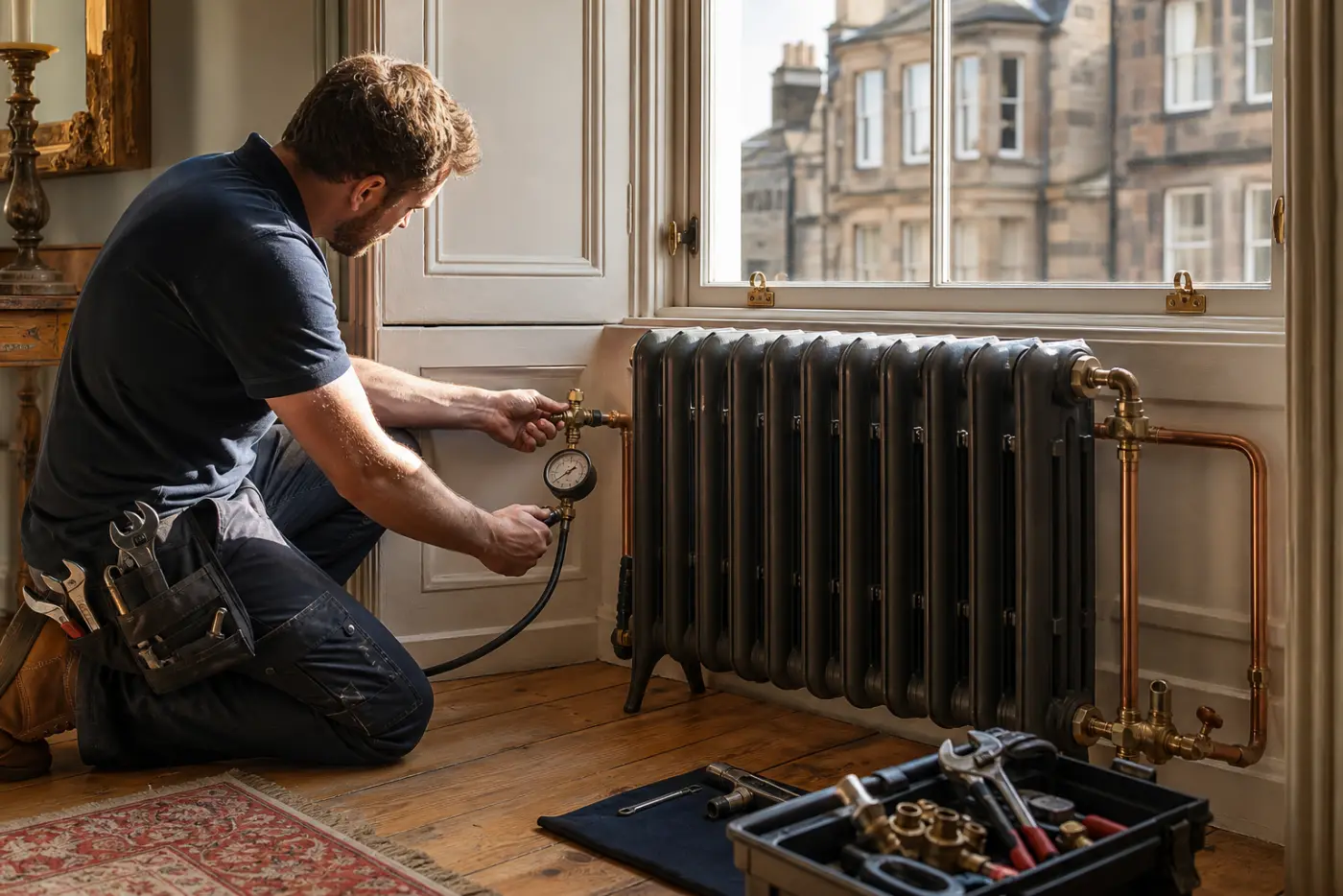 Water pressure checks Low Water Pressure in Edinburgh Homes Trace the scope of low water pressure without unsafe DIY: compare outlets, check for supply updates and leaks, and record whether the issue is local or shared. Read guide
 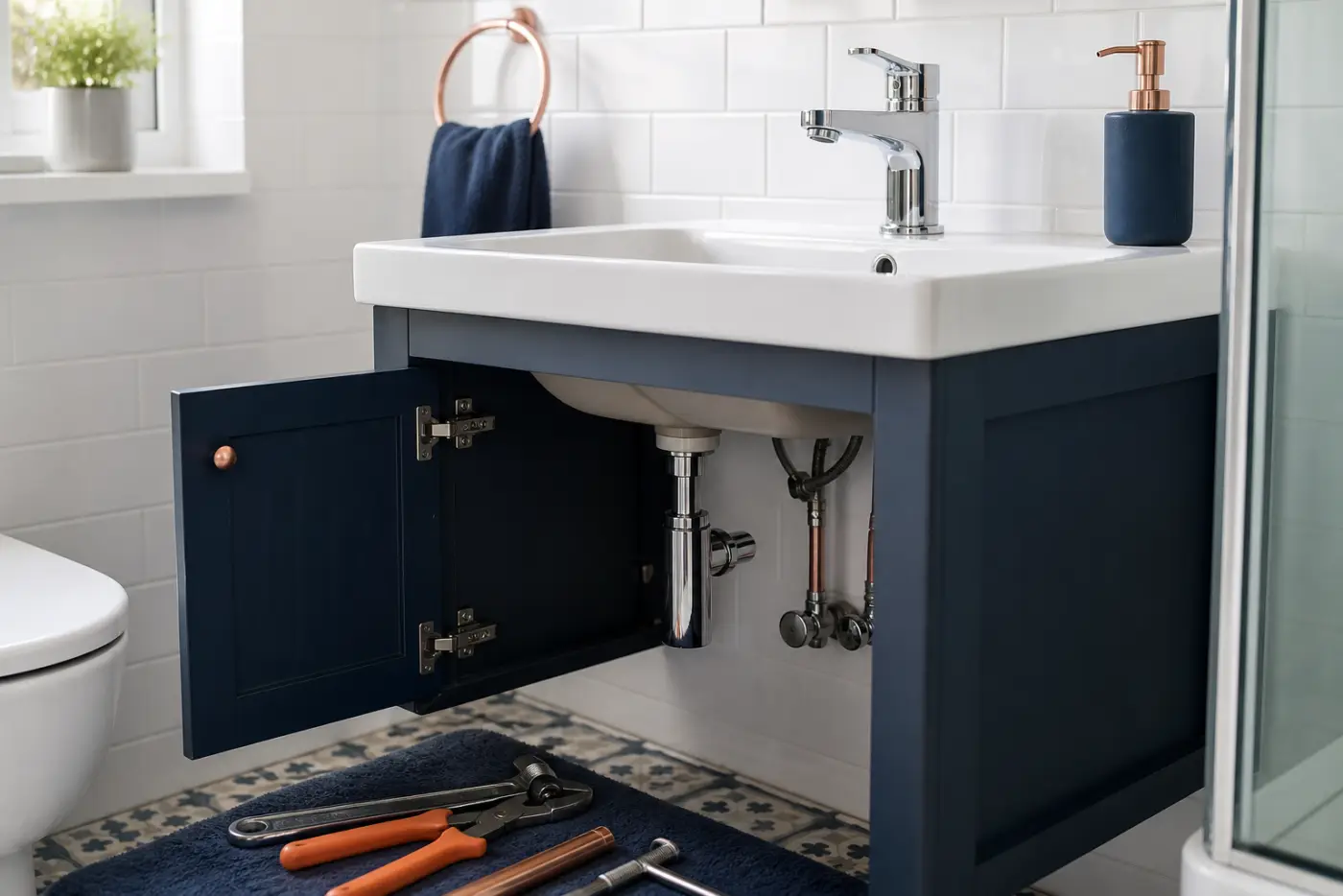 Bathroom planning Bathroom Plumbing Enquiry Checklist Prepare a clearer bathroom plumbing enquiry: define the repair or refit, list fixtures, note supply and waste access, check permissions and flag regulated work. Read guide
 Quick answers before you request plumbing help.
No. The guides help you observe conditions, take proportionate safety steps and prepare useful details for further assessment.
Avoid the wet area and electrical equipment. Use an appropriate urgent safety route rather than relying on a website enquiry.
No. Record what happens during normal use and do not remove covers, force valves or enter an unsafe area to gather more information.
Send details of the issue, property area and access notes so the plumbing problem can be assessed clearly.
Request plumbing help